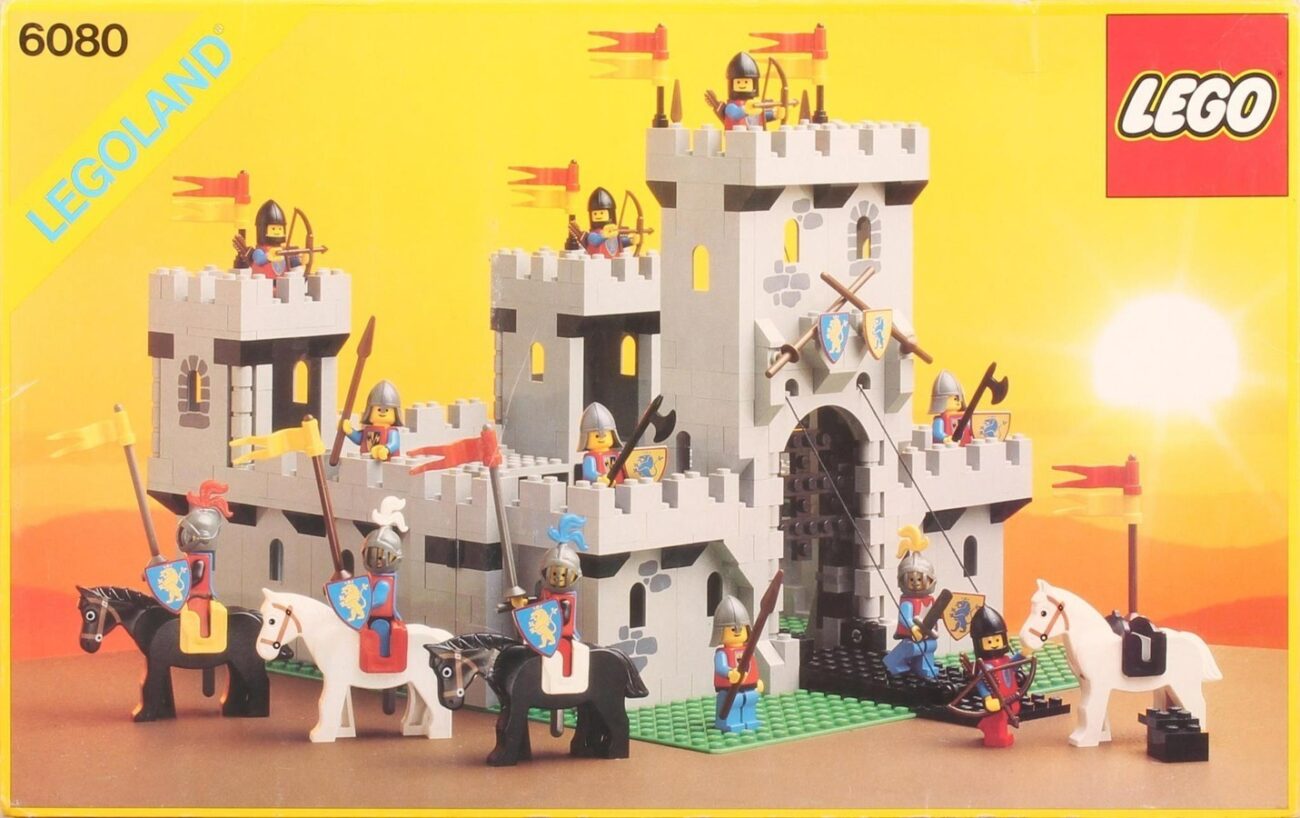
LEGO has long been more than just a toy – it is an asset with real market value. Limited editions and cult themes turn plastic bricks into an investment with potential, combining logic and nostalgia.
How the Toy Became an Alternative Asset
When I first heard that LEGO could deliver higher returns than gold, I was skeptical. But the data speaks for itself – according to a study by the Higher School of Economics in Moscow, unopened LEGO sets appreciate by around 11% per year on average. This puts the bricks in an unusual club alongside stocks and collectible watches.
The truth is that LEGO has long been more than just a children’s toy. For many people, it has become a cultural artifact – especially in the era of nostalgia for the 1980s and 1990s. In Bulgaria, there are already active groups for trading and selling rare sets, while some collectors invest deliberately, tracking releases that are about to be “retired.”
This evolution from hobby to asset demonstrates not only the value of design and branding, but also the power of the emotional economy – where memories can generate returns.
Why LEGO’s Value Grows Over the Years
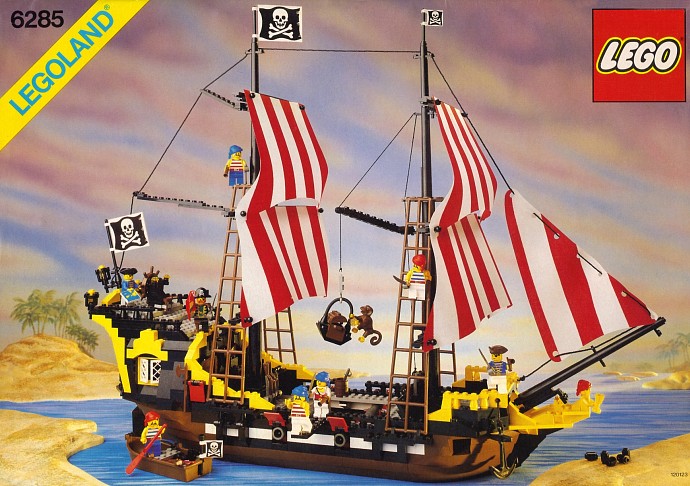
The reason LEGO appreciates over time is a combination of limited supply and steady demand. When a particular set is discontinued, it immediately becomes a “disappearing product.” Fans – especially those who collect themes such as “Star Wars” or “Harry Potter” – start hunting for rare pieces. This demand creates market pressure that drives prices upward.
The second factor is product quality. LEGO has never compromised on its plastic, colors, or design. As a result, a set from 2005 can still look almost brand new if it has been properly stored. In Bulgaria, I have seen such listings in collector Facebook groups, where people are literally “trading their childhood.”
But not every set becomes a gold mine. Only those with unique minifigures, limited production runs, or cult franchises manage to exceed their original price several times over.
The Role of Limited Editions and How to Spot a Set with Potential
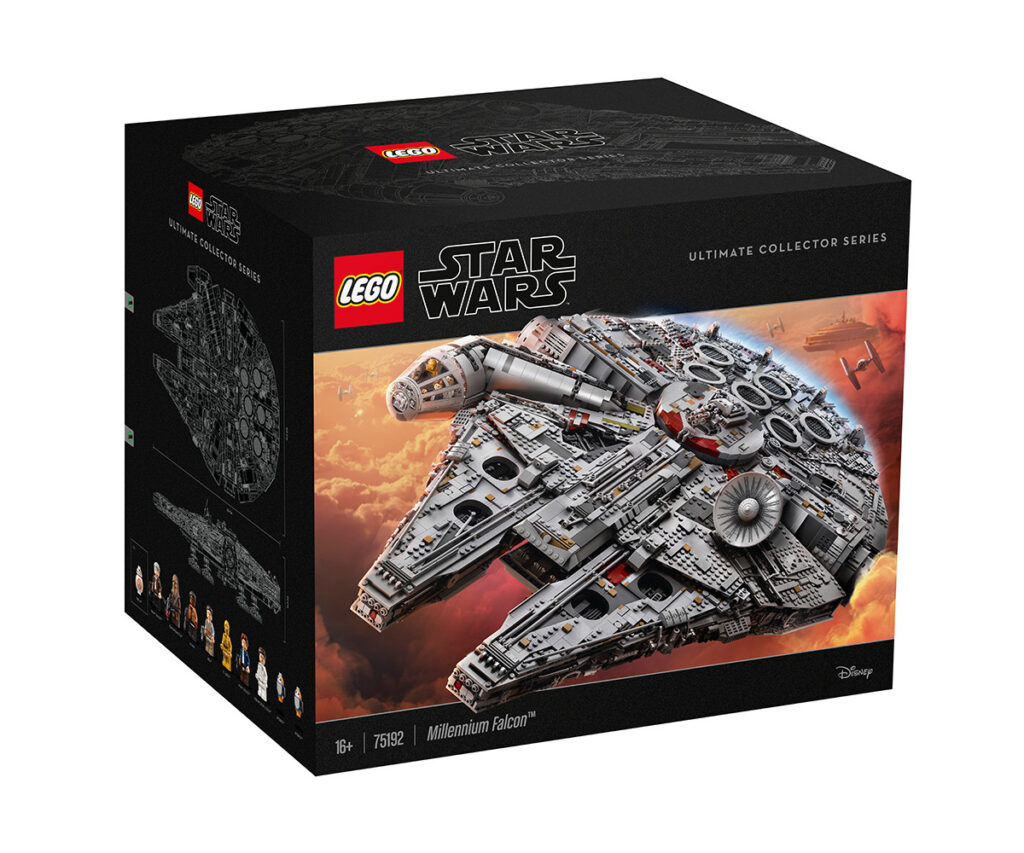
The most valuable LEGO sets almost always come from limited editions – those the company produces for a short period or in limited quantities. These can be special anniversary editions, collaborations with film studios, or closely followed themes such as “Technic Supercars” and “Star Wars Ultimate Collector Series.” Once production stops, collectors start competing for them, and prices on sites such as BrickLink or eBay can jump literally within days.
From personal experience, I know that the best “catches” often appear shortly before a particular model is retired — a period when the official website still offers it, but demand is already growing. Watching these moments is like following the stock market, except here the index is made of colorful bricks.
To identify a set with potential, I look at several indicators: unique minifigures, themes with lasting popularity, a clearly limited production cycle, and an active fan community. In Bulgaria, some investors even use value-tracking apps such as BrickEconomy to see which models are “maturing.”
How Do I Evaluate a LEGO Set Before Buying?
1. I check whether it is marked “Retiring Soon” on the official website.
2. I monitor how many sets are still available at major retailers.
3. I look for limited editions or unique minifigures.
4. I review the data on BrickEconomy or BrickSet.
5. I read forums/groups – is there any buzz around the theme?
6. I calculate the difference between the current and historical price on eBay.
The Risks, the Emotion, and the Lessons of LEGO Investing
As attractive as the idea of “bricks that appreciate” may sound, LEGO investing does not guarantee a return. The most common mistake is buying everything that looks rare. The reality is that the market is sensitive – a single resale involving a large quantity can push the price down for weeks. In Bulgaria, I often see people who have bought several identical sets and then struggle to sell them.
In addition, LEGO requires space, care, and patience. An unopened box needs to be kept away from sunlight and moisture, while a long-term investment horizon means your money is “frozen” for years. There is no liquidity here like there is with stocks – you have to wait for the right moment and the right buyer who will appreciate the value.
Nevertheless, there is something deeply human about this type of investment. LEGO combines the logic of the market with the emotion of memory. We are not simply buying plastic, but a piece of childhood – and that gives it a unique value that even inflation can struggle to diminish.
LEGO can deliver an average annual return of around 11%, but success depends on strategy, patience, and choosing the right sets.


