
An electric car isn’t automatically the best choice-it all depends on how I drive and whether I have convenient access to charging. If my daily routine is predictable and charging is easy, I would seriously consider one.
The Short Answer: It Depends on How I Drive
In my view, the question “Is an electric car the best choice?” has no meaningful answer without context. If I have convenient charging, drive mostly in the city, and follow a predictable daily routine, an electric vehicle (EV) can be a very sensible option. If I frequently travel long distances or have nowhere to charge, the equation looks different.
What Do I Gain by Driving an Electric Car?
The most obvious benefit is simpler day-to-day use: I plug the car in to charge instead of planning every visit to a gas station. I also get quieter driving, smooth acceleration, and a different experience behind the wheel.
However, I wouldn’t turn this into a universal recommendation. An electric car is a good tool when it fits my lifestyle. That’s why I would start not with the advertised driving range, but with the question: “Where and how will I actually charge and drive it?”
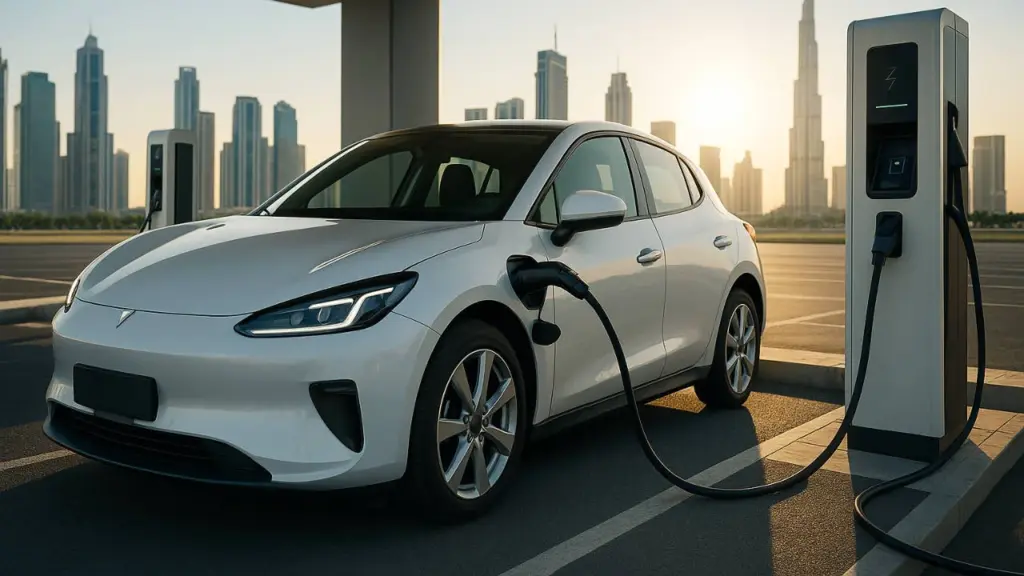
When Does an Electric Car Make the Most Sense?
I would start by looking at my daily routine. If I mainly drive in the city, follow a regular route, and can charge at home or somewhere convenient, an electric car becomes particularly practical. On most days, I can start with enough charge without making a special trip to a gas station.
The picture changes when I frequently take long journeys. I need to factor in charging stops, the availability of charging infrastructure along my route, and how much time I can afford to spend charging.
That’s why my simple test is this: “If my daily driving is predictable and charging is convenient, I would seriously consider an electric car. If those two conditions aren’t met, I would also compare a hybrid or an internal combustion engine (ICE) vehicle.”
Electric Cars vs. Hybrids and Gasoline Cars
I wouldn’t compare these three options based on purchase price alone. An electric car offers quiet, smooth driving and the convenience of charging wherever I spend time. A hybrid makes me less dependent on charging infrastructure, while an internal combustion engine vehicle remains the most familiar option for refueling and long-distance travel.
The trade-off with a hybrid is that I’m carrying two propulsion systems. With an electric car, the trade-off is dependence on access to charging points and the need to plan ahead for longer journeys.
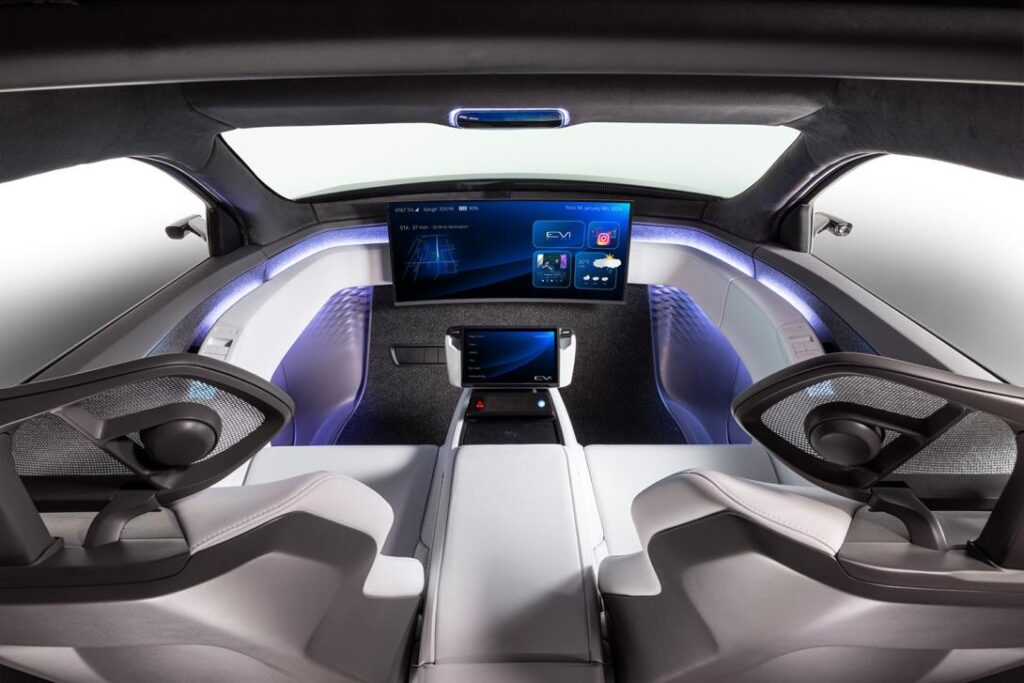
How Much Is Charging Convenience Worth?
For me, the cost of an electric car doesn’t end with the purchase price. I need to consider how I’ll charge it: at home, at work, or primarily at public charging stations. Access to convenient charging can make a bigger difference to the overall equation than the technology itself.
If I can charge at home, everyday life becomes much easier. If I rely mainly on public charging infrastructure, I would check the available stations along my regular routes and review their pricing and usage conditions in advance.
That’s why I would calculate not just “how much does the electricity cost?” but “how much does my entire charging routine cost?”-in money, time, and convenience.
How I Would Make the Decision Today
I would start with three specific questions: How many miles do I drive? Where can I charge? And how often do I take long trips? If the answers favor an electric car, I would put it at the top of my list. If they don’t, I would compare a hybrid and an ICE vehicle without rushing the decision.
I wouldn’t buy an electric car simply because it’s “more modern.” I would buy one if it offered a more convenient and predictable solution for my actual transportation needs.
Pre-Purchase Checklist
– I have a convenient place to charge
– I know my daily driving distance
– I’ve checked my regular long-distance routes
– I’ve compared the total costs
– I’ve tested the car in real-world conditions

