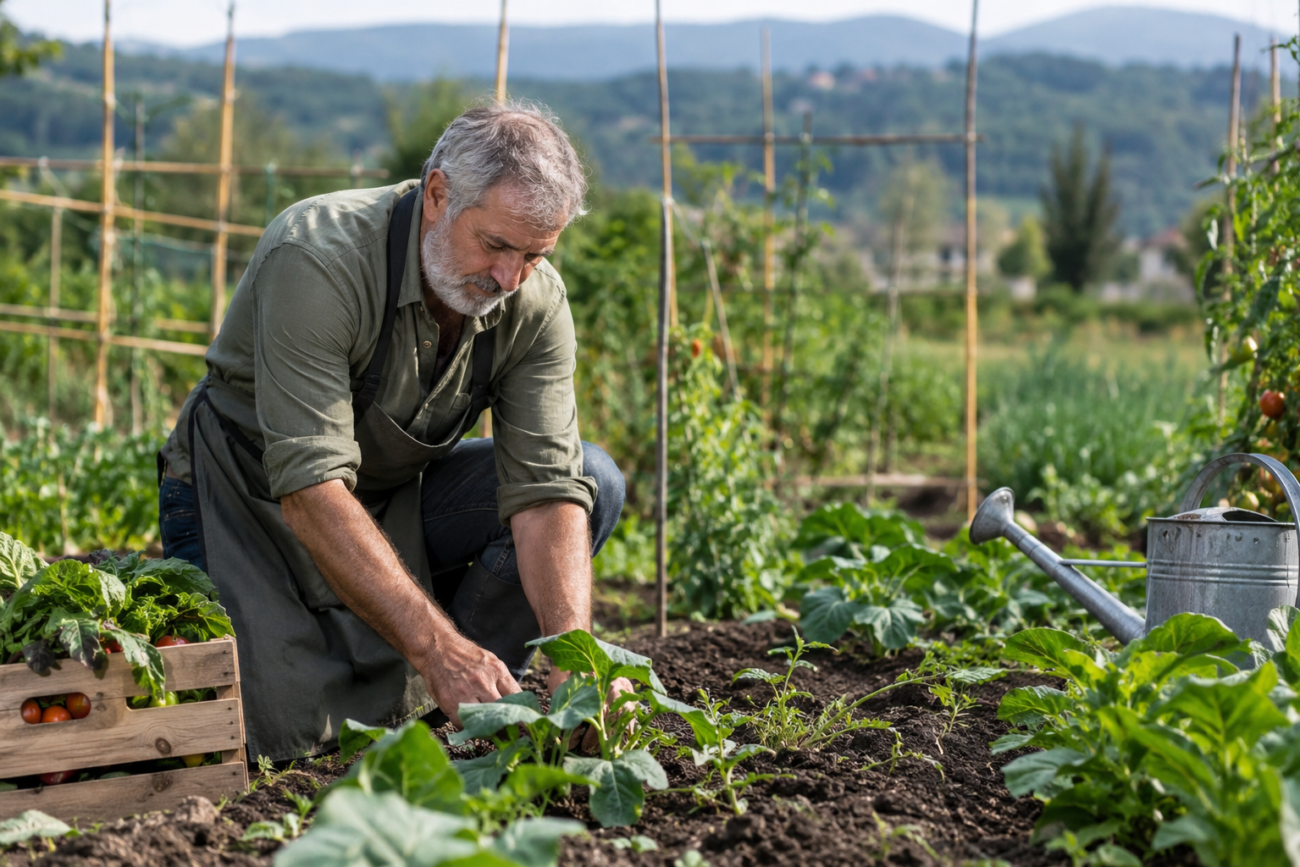
Agriculture in Bulgaria can be a worthwhile venture, but there is no one-size-fits-all answer. The business model, scale, and level of risk are what matter most. I would start with a small-scale trial and a financial plan that still holds up in a poor season.
To me, “worth it” means finding a sustainable balance between land, capital, labor, market demand, and risk.
What Does “Worth It” Mean in Agriculture?
For me, the question isn’t simply “Can I make money?” but rather, “What am I investing, what risks am I taking, and what do I get in return?” Agriculture is a business, a production process, and a form of work that depends on factors I cannot fully control.
That’s why I would evaluate whether it’s worth pursuing based on several specific factors: access to land, startup capital, machinery and labor, a market for the produce, and the ability to withstand a poor season. The same crop can look very different depending on the scale of the operation and local conditions.
In Bulgaria, there’s another important factor: the type of farm. A small family farm, a specialized agricultural operation, and a large-scale grain producer aren’t simply three different sizes of the same business. They have different economics, different risks, and different management requirements.
How an Agricultural Business Works in Practice
I would think of it as a chain: “land → inputs → production → sales → results.” The problem is that every link comes with its own costs and risks, and the time between making an investment and generating revenue can be considerable.
In practice, the business model depends on scale and specialization. A small family farm operates differently from a large-scale grain farming business, while direct sales change the financial equation compared with selling through an intermediary. That’s why “I own land” is not, by itself, a business model.
Where the Real Opportunities Lie
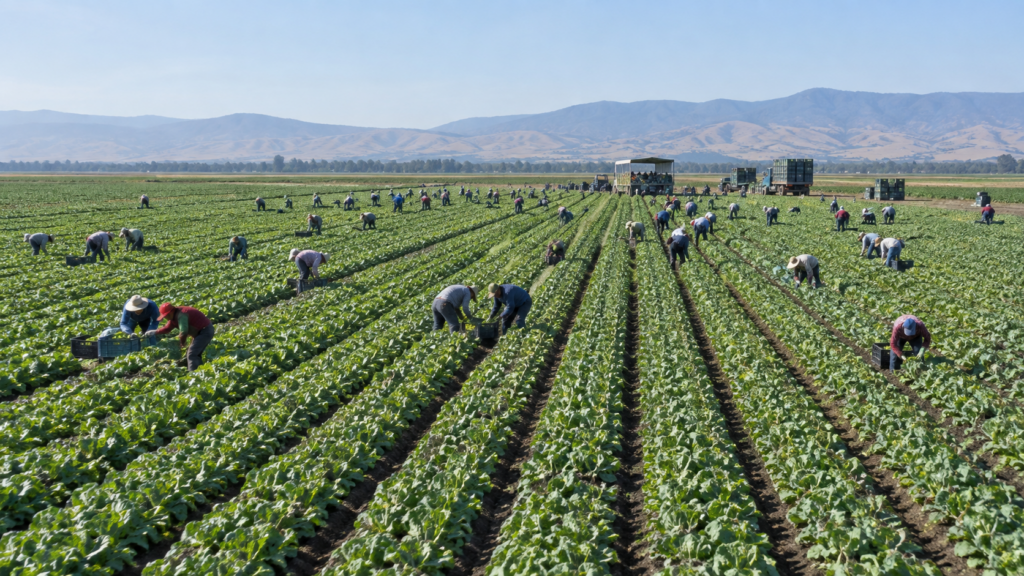
I would look for opportunities not just in “what should I grow?” but in “how can I build a more profitable business around the produce?” On a small scale, this could mean specializing in a particular crop, selling directly to customers, or offering a higher-value product rather than trying to compete on volume alone.
Another option is to make scale work in my favor. On a larger farm, the efficient use of land, machinery, labor, and organization becomes crucial. However, capital requirements also increase, as does exposure to poor yields and unfavorable market conditions.
That’s why I wouldn’t treat agriculture as a single opportunity. The real question, in my view, is: “Which business model fits my resources, the market around me, and the level of risk I’m prepared to take?”
What Are the Biggest Risks?
I would start with the most obvious one: the weather. Droughts, excessive rainfall, hailstorms, or an unfavorable growing season can directly affect yields. In crop farming, this means that part of the outcome depends on factors beyond my control.
The second risk is economic. The price of agricultural produce can change after I’ve already incurred expenses for seeds, fertilizers, fuel, machinery, and labor. For a small farm, one poor season can have a disproportionately large impact.
There are also operational risks involving land, machinery, labor, irrigation, storage, and market access. That’s why a good idea alone isn’t enough. I need a plan for what to do if yields are low or sales don’t go as expected.
Agriculture Compared With Other Ways of Making a Living
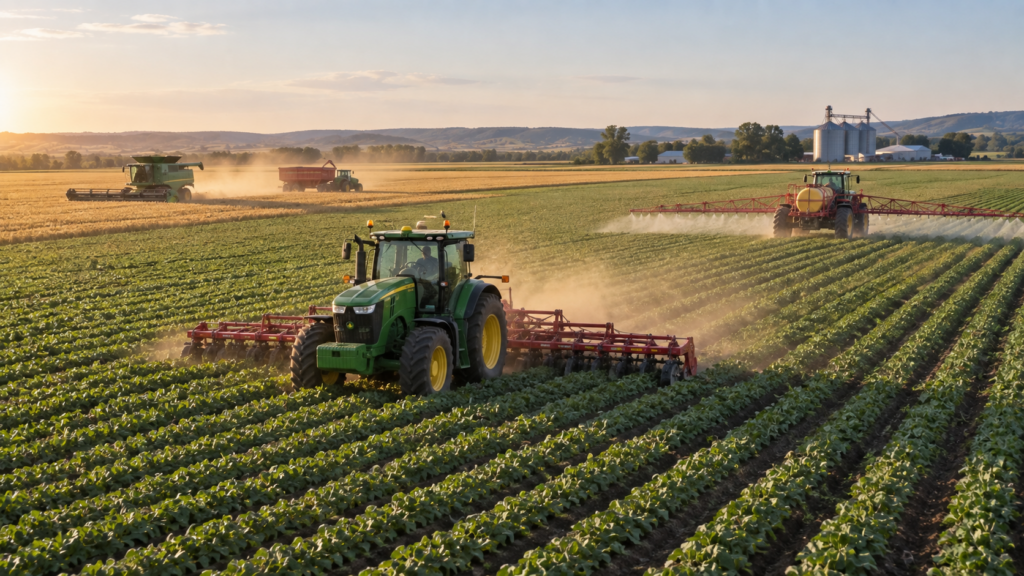
When deciding whether agriculture is worth pursuing, I would compare not only different agricultural business models, but also the alternative of investing the same time, capital, and effort in another business or profession.
The advantage is that, with the right model, I can build a real production business and develop an asset over time. The trade-off is that agriculture requires physical resources, operational discipline, and exposure to risks that I cannot eliminate entirely.
That’s precisely why I wouldn’t ask, “What’s the most profitable option in general?” I would ask which option offers the best balance of expected returns, required capital, management complexity, and risk in my particular circumstances.
How I Would Decide Whether to Get Started
I wouldn’t begin by buying machinery. I would start with a simple financial calculation. How much land can I realistically manage? How much capital can I tie up? And what kind of return do I need to justify the time and risk? If the numbers only work in a perfect growing season, that’s a warning sign to me.
Next, I would research the market before starting production: Who will I sell to? At what price? And what happens if I produce less or more than expected? On a small scale, I would look for a way to test the business model with limited resources rather than starting as big as possible.
Finally, I would establish clear criteria for success. If, after one or two production cycles, the model shows no realistic path to sustainable results, I would change the crop, sales channel, or business model rather than simply investing more money.
First Steps and When to Walk Away
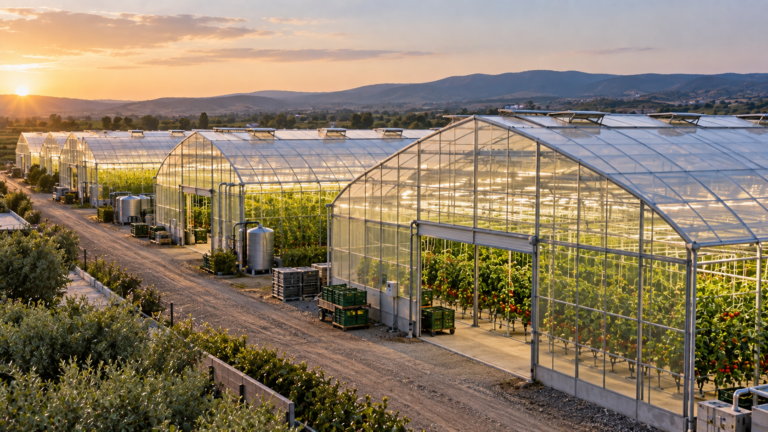
My advice is to start with a small, measurable trial: a specific area of land, a particular crop, a budget calculated in advance, and a clear sales channel. This allows me to understand the actual costs, labor requirements, and results before expanding.
To me, knowing when to walk away is just as important as knowing when to start. If the business model doesn’t hold up under realistic conditions and there’s no reasonable way to improve its economics, I wouldn’t try to compensate by buying more machinery, acquiring more land, or investing additional capital. Changing the model in time is better than turning an unprofitable venture into an expensive habit.
What I Would Do Today
- I would determine how much land, capital, and time I realistically have available.\
- I would choose a specific production model rather than vaguely deciding to “get into agriculture.”\
- I would calculate the costs and check whether the numbers still work in a poor season.\
- I would secure a realistic sales channel before expanding production.\
- I would start with a limited trial and define clear success criteria in advance.\
- If the model didn’t work, I would change my approach rather than automatically increasing my investment.
Conclusion
Is it worth getting involved in agriculture in Bulgaria? In my opinion, yes-but only if we approach it as a specific business model rather than an abstract idea of “owning some land.”
There is no single ideal scale or universally profitable crop. What matters is finding a model that fits the available resources, the market, and the level of risk we can afford to take.
My thoughts here are not an engineering or financial specification, nor are they a substitute for professional advice. Before implementing any business model, I would check the current requirements, costs, and regulations relevant to the specific activity.

