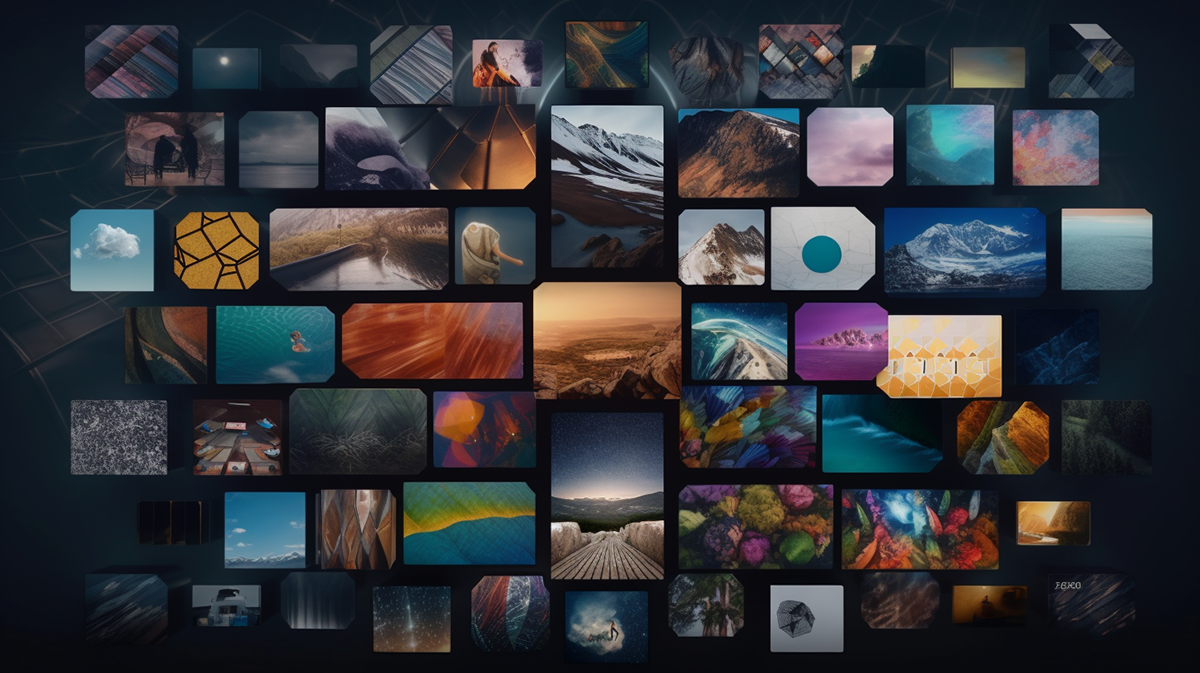
AI is already changing the way art is created, but it is shifting tasks rather than replacing artists themselves. The biggest change lies in the role of the human-from creator and executor to curator, director, and bearer of meaning.
AI speeds up the creative process and makes it easier to explore variations, but human taste, context, and artistic vision remain the key advantages.
What AI Means in the Context of Art Today
When I talk about AI in art, I mean generative artificial intelligence-systems that create new content, including images, text, music, and video, based on patterns learned from vast datasets. This is not human creativity, but statistical prediction: estimating what is likely to come next in response to a given instruction, or prompt.
I see it as a new kind of tool. It doesn’t paint instead of my hand; it helps me develop ideas, explore variations, and produce drafts more quickly. Much like the camera did in the past, AI changes the creative process without eliminating the need for an eye for detail, good taste, and a clear sense of direction.
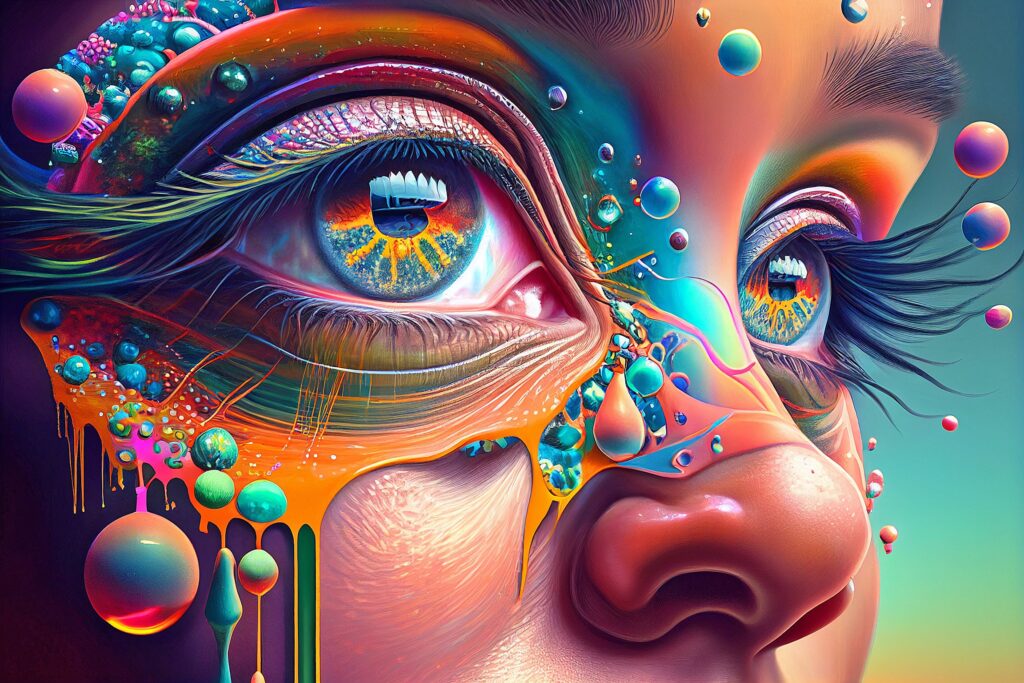
How Generative Models Work: A Brief Overview
At their core are machine learning (ML) models trained on millions of examples. They don’t understand art in the human sense. Instead, they recognize patterns-styles, compositions, rhythms, and color schemes-and combine them in new ways.
When I enter a prompt such as “dark industrial landscape, cinematic lighting,” the model calculates which visual features are most commonly associated with those words and synthesizes them into a new image. In practice, the process is collaborative: I set the direction and define the constraints, AI generates options, and I select and refine the results.
Where AI Is Already Useful to Artists
I find AI most useful in the early stages of the creative process. Instead of spending hours sketching, I can explore 20 different visual directions in just a few minutes. This doesn’t replace my idea; it helps me test it more quickly.
In design and illustration, AI is particularly valuable for creating variations and adaptations-different formats, color palettes, and lighting setups. I provide the direction, AI generates the options, and then I decide which ones are worth keeping.
When working with text and concepts, I use it to produce a first draft-a structure, potential headlines, or different angles on a topic. I don’t let it think for me. Instead, I use it to build momentum when getting started is difficult.
Where AI Saves Time
– Concept generation
– Style variations
– Quick mockups
– Drafts of text and ideas
– References and mood boards
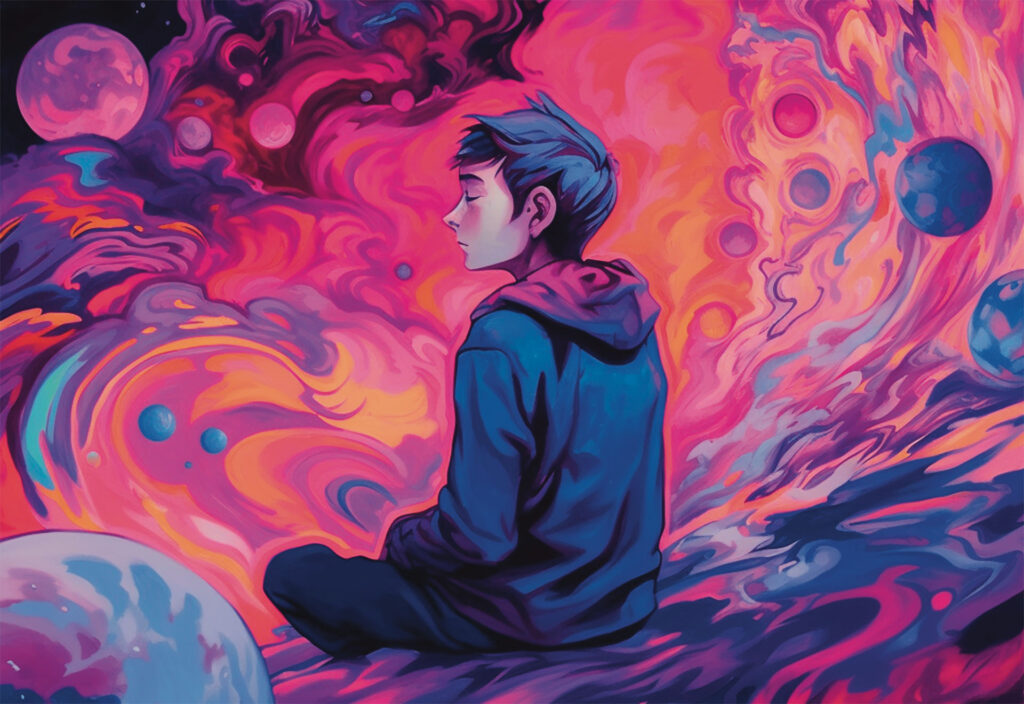
What AI Still Struggles With-for Now
AI struggles with meaning in context. When it comes to cultural nuances, local humor, or social sensitivity, models often get the form right but miss the underlying message.
It also lacks a genuine artistic voice. AI can blend styles, but it has no personal history or inner aesthetic evolution. In brand work and deeply personal projects, that consistency of vision is often what makes the difference.
Another challenge is fine-grained control. AI often gets things “almost right”-whether it’s anatomy, text within an image, or symbolism. And “almost” still means a human has to step in and make corrections.
How the Roles of Talented People Are Changing
I don’t see talent disappearing. I see a shift in focus. More and more, my value lies in making decisions: which direction to take, what qualifies as good enough, and what gives a piece meaning.
A new role is emerging: the creative director of machines. I structure the task, define the style and constraints, and then curate the results. This has more in common with art direction than with pure execution.
Human skills-taste, cultural sensitivity, working with clients, and storytelling-are becoming even more visible and valuable.
Limitations, Risks, and Ethical Questions
The first risk concerns data provenance. Many models have been trained on content without the explicit consent of its creators, raising questions about style imitation and the boundaries of inspiration.
The second issue is the devaluation of creative labor. When something “similar” can be generated in seconds, expectations around time and pricing become distorted. This makes it even more important to communicate the value of human work clearly.
There is also a risk of homogenization: many visual outputs are beginning to look alike. My role here is to deliberately seek out originality, a distinctive personal style, and conceptual depth.

